JBRA Assist. Reprod. 2026;00(0):00-00
ORIGINAL ARTICLE
doi: 10.5935/1518-0557.20260102
Fertility knowledge in Portuguese adolescents: Findings from the serious game "MyFActs!"
1Faculdade de Psicologia e Ciências da Educação, Universidade do Porto, 4200-135, Porto, Portugal
2Centro de Psicologia da Universidade do Porto, 4200-135 Porto, Portugal
3Instituto Superior Miguel Torga, 3000-132, Coimbra, Portugal
4University of Coimbra, CINEICC, Faculty of Psychology and Education Sciences, Coimbra, Portugal." Primeiras Jornadas de Psicologia e de Ciências da Educação, Porto, Portugal, december 2024.
CONFLICT OF INTEREST
None.
ABSTRACT
Objective: Fertility awareness has become crucial for informed reproductive decision-making in the context of rising infertility rates, delayed parenthood, and evolving social norms. Research shows that adolescents have limited fertility knowledge, which may lead to poorly informed future reproductive decisions, making adolescence a particularly important period for fertility education. This study assessed fertility knowledge among Portuguese adolescents using an innovative digital assessment tool, the 12-question serious game "MyFActs!". Patterns of fertility knowledge and demographic predictors across multiple fertility dimensions were examined.
Methods: A total of 970 adolescents aged 15–18 years participated in this study. Data were analysed using analysis of variance (ANOVA), chi-square tests, and stepwise binary logistic regression models to examine demographic differences and relationships among fertility knowledge dimensions.
Results: Participants answered a mean of 8.77 qutions correctly (SD=1.88). Significant gender differences were observed, with girls demonstrating greater knowedge than boys in some dimensions. Age-related diffeenes were also found, with older adolescents (17 and 18 years) demonstrating greater knowledge than youner paicipants (15 and 16 years). Binary logistic regrsion analses revealed strong associations among fertility knowledge dmensions.
Conclusion: These findings suggest that fertilty knowedge among Portuguese adolescents remains moeate, with persistent demographic disparities that rquire tareed educational interventions. The interconnected nature of fertility knowledge dimensions supports comprehensive rather than fragmented educational approaches. The sucessful use of the serious-game format demostrates the potential of digital platforms to engage adlecents with sensitive health topics and overcome tradtioal educational barriers.
Keywords: fertility knowledge, adolescents, reproductive health education, serious game, digital health interventions
INTRODUCTION
"Fertility awareness" is a relatively new concept, defined in the International Glossary on Infertility and Fertility Care as "the understanding of reproduction, fecundity, fecundability, and related individual risk factors (e.g. advanced age, sexual health factors such as sexually transmitted infections, and lifestyle factors such as smoking, obesity) and non-individual risk factors (e.g. environmental and workplace factors); including the awareness of societal and cultural factors affecting options to meet reproductive family planning, as well as family building needs" (Zegers-Hochschild et al., 2017, p. 1793). The concept emerged in response to the increasing prevalence of infertility and the growing postponement of parenthood (Lampic et al., 2006; Peterson et al., 2012). Multiple studies involving women, younger populations, and healthcare professionals have shown that fertility knowledge is often incomplete or inaccurate, indicating that it cannot be assumed and should be systematically addressed through reproductive health education and the inclusion of fertility literacy in sexuality education (Ceballo et al., 2010; Deatsman et al., 2016; Jurkowski et al., 2021; Mac Dougall et al., 2013; Pedro et al., 2018).
Comprehensive sexuality education (CSE) is a curriculum-based teaching and learning process that addresses the cognitive, emotional, physical, and social aspects of sexuality to support informed, rights-based decision-making throughout life (Sekhar et al., 2024). Researchers increasingly argue that fertility education should be integrated into sexuality education and should include topics such as age-related fertility decline, infertility, and lifestyle factors (Maslowski et al., 2024; Nargund, 2015; Ren et al., 2023). This view aligns with European policy frameworks that promote inclusive, age-appropriate sexuality education covering fertility and reproductive health (Michielsen & Ivanova, 2022; UNESCO, 2018). Nevertheless, adolescents’ fertility knowledge is often insufficient and based on misconceptions, although they express an interest in learning more (Ekelin et al., 2012; Quach & Librach, 2008; Ragnar et al., 2018; Wimberly et al., 2003). Previous interventions involving young adults have shown that targeted education can effectively increase fertility knowledge and support healthier reproductive choices (Conceição et al., 2017; Daniluk & Koert, 2015; Williamson et al., 2014; Wojcieszek & Thompson, 2013).
Schools provide an effective platform for reaching diverse adolescent populations and delivering both academic and complementary content, including sexuality education (Ekelin et al., 2012). However, parental resistance arising from concerns that sexuality education may encourage sexual activity, combined with teachers’ discomfort or lack of knowledge, can limit the effectiveness of school-based programmes and reduce students’ engagement (Allsop & Anderman, 2022; Dickson et al., 2020; Nair et al., 2012). Serious games have emerged as a promising complementary tool because they provide engaging, interactive learning without requiring direct teacher mediation. They enable adolescents to explore risky situations safely while benefiting from design elements such as challenge, feedback, role play, narratives, and rewards, which have been associated with increased knowledge and positive behavioural intentions (DeSmet et al., 2015; Shegog et al., 2015).
In this context, Fertility Europe developed "MyFActs!" (https://myfacts.eu/), an online tool designed to help adolescents assess and improve their fertility knowledge (Fertility Europe, 2024). The serious game was developed on the basis of input from a Portuguese youth focus group regarding design features, learning potential, and personal preferences (Bento Nogueira et al., 2023). "MyFActs!" includes 12 multiple-choice questions, immediate feedback, and narrative and role-play components. Participation is anonymous, and only minimal data are collected. Recent research indicates that "MyFActs!" effectively engages adolescents and motivates them to learn more about fertility, and that teachers and parents view it as a valuable supplement to health curricula (Martins et al., 2025).
The current study uses this serious game to explore Portuguese adolescents’ understanding of fertility and infertility risks between the ages of 15 and 18 years. In line with previous literature, adolescents were expected to demonstrate low-to-moderate overall fertility knowledge, with female participants showing greater knowledge of the effects of age and lifestyle on fertility and male participants showing greater awareness of the effects of drug and alcohol use on fertility (Ekelin et al., 2012). Although there is no robust evidence that knowledge varies significantly within the age range of the present sample, older participants were expected to demonstrate greater knowledge because evidence from broader samples suggests that fertility knowledge increases with age (Pedro et al., 2018). The study also aimed to examine how different dimensions of fertility knowledge relate to one another, with the expectation that greater knowledge in one area would be associated with broader knowledge in other areas of fertility literacy (Alhussaini et al., 2025; Vongxay et al., 2019).
Because fertility knowledge is a multidimensional construct spanning several content areas, the present study was designed as an exploratory analysis of knowledge patterns across domains. This approach was intended to identify areas of stronger and weaker knowledge and to generate evidence for future, more targeted research.
MATERIAL AND METHODS
Participants
This study forms part of a larger research project involving several European countries (https://myfacts.eu/more-info-about-facts/) and focuses specifically on the Portuguese sample. The inclusion criteria were being 15–18 years of age and playing the game for the first time. The initial dataset comprised 1,364 entries, of which 337 were excluded because participants were outside the specified age range and 20 because the participants were not first-time players. A further 23 participants were excluded because of missing data. Fourteen participants were considered statistical outliers because they completed the game in less than 1 minute or more than 10.6 minutes, corresponding to values more than 3 standard deviations from the mean completion time (M=4.99; SD=1.87). These cases were excluded to reduce the likelihood of inattentive or atypical responses. The final sample comprised 970 participants Figure 1.
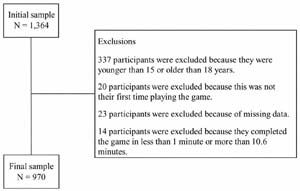
Figure 1. Flowchart of the study sample
Procedure
Data were collected in Portuguese high schools during the 2023–2024 academic year. Participation was voluntary, and participants provided digital informed consent through the game before playing. Separate assent procedures were not required because contemporary evidence indicates that adolescents have sufficient capacity to provide informed consent for participation in research. In particular, decisions about research participation occur in "cold" cognitive contexts, in which decision-making capacity is developmentally mature by approximately 16 years of age (Mathews, 2023). The game did not collect personally identifiable data. Data were stored on secure, password-protected servers and analysed in anonymised form. No IP addresses or contact information were retained. The study was approved by the Ethics Committee of the Faculty of Psychology and Education Sciences of the University of Porto (Ref. 2024-04-01b).
Measures
The serious game "MyFActs!" was used to assess fertility knowledge in the study population. The game comprised 12 items organised into eight fertility knowledge dimensions: (1) chances of spontaneous pregnancy; (2) female fertility decline; (3) male fertility decline; (4) effects of alcohol and drugs; (5) effects of sexually transmitted infections (STIs); (6) effects of lifestyle; (7) help-seeking in cases of infertility; and (8) infertility diagnosis. The questions and scoring criteria for each fertility knowledge dimension are presented in Table 1. These dimensions were developed on the basis of previous research assessing fertility knowledge (Ekelin et al., 2012; Machado et al., 2014; Pedro et al., 2018; Peterson et al., 2012; Ragnar et al., 2018; Wimberly et al., 2003). Each dimension corresponded to a single question, except dimensions 4 and 6, which comprised multiple items. Response options were multiple choice, and some questions included "I don’t know" as an option. For scoring, each item was coded as 1 when answered correctly and 0 when answered incorrectly or when "I don’t know" was selected. For dimensions comprising more than one item, knowledge was considered present only when all items in that dimension were answered correctly; otherwise, the dimension was coded as 0. The total fertility knowledge score was calculated by summing the scores for the 12 items, yielding a possible range of 0–12.
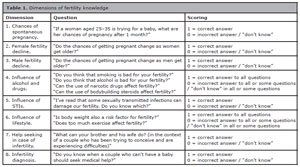
Table 1. Dimensions of fertility knowledge
Statistical analyses
Statistical analyses were performed using IBM SPSS Statistics, version 30.0 (IBM Corp., Armonk, NY, USA). The analyses were exploratory and used the total fertility knowledge score and the individual fertility knowledge dimensions to identify patterns and associations for future research.Variables corresponding to all dimensions except dimensions 4 and 6 were dichotomous. Because dimensions 4 and 6 comprised more than one question, the continuous variables corresponding to these dimensions were converted into binary variables. Knowledge was coded as present only for participants who answered all items in the dimension correctly.Preliminary analyses assessed outliers, missing data, and the sample distribution. Given the sample size and the known sensitivity of the Kolmogorov–Smirnov and Shapiro–Wilk tests to minor deviations from normality in large samples, the distribution of scores for each dimension was assessed using skewness (Sk) and kurtosis (Ku). The distributions were considered approximately normal because the values were within the acceptable limits of |Sk|<3 and |Ku|<10 (Kline, 2016).Differences in total fertility knowledge between gender categories and age groups were assessed using one-way analysis of variance (ANOVA). For this analysis, age groups were combined into "younger participants" (15 and 16 years) and "older participants" (17 and 18 years) because the group sizes differed. The gender categories "Rather not say" and "Other" were excluded from this and subsequent analyses because their sample sizes were too small to provide reliable estimates. Homogeneity of variance was assessed using Levene’s test, which was significant for gender (p<.001); therefore, Welch’s ANOVA was used as a more robust alternative. Chi-square tests of independence were performed for each dimension of fertility knowledge (DFK) to assess differences between gender and age groups.Stepwise binary logistic regression models were used to analyse predictors of knowledge in each fertility knowledge dimension. In Step 1, the sociodemographic variables gender and age were entered into the models to control for their effects. Male gender was used as the reference category, and age was treated as a continuous variable. In Step 2, the remaining DFK variables were entered into each model. A separate binary logistic regression was conducted for each DFK, with each dimension serving in turn as the dependent variable.Multicollinearity was assessed using linear regression conducted solely for this purpose. It was not considered problematic because all variance inflation factor values were <10 and all tolerance values were >0.1 (Field, 2009).
RESULTS
Key findings
Overall, adolescents demonstrated moderate fertility knowledge (M=8.77, SD=1.88, mode=8), with only 7.1% answering all questions correctly. Girls and older adolescents had higher total scores than boys (p<.001) and younger participants (p=.004), respectively. The most pronounced gender- and age-related differences were observed in dimensions such as female fertility decline and the effects of lifestyle. Logistic regression models indicated that the knowledge domains were interrelated, with knowledge in several domains predicting knowledge in others. In particular, knowledge of the chances of spontaneous pregnancy predicted knowledge of female fertility decline and the effects of STIs. Knowledge of female fertility decline predicted knowledge of male fertility decline. Knowledge of the effects of alcohol and drugs predicted knowledge of the effects of STIs and help-seeking in cases of infertility. Finally, knowledge of the effects of lifestyle predicted knowledge of help-seeking in cases of infertility.
Descriptive results
The demographic characteristics of the sample (age and gender) are presented in Table 2. The distribution of participants differed substantially by gender and age. There were 557 female participants and 384 male participants. Considerably fewer participants selected "Other" (n=16) or "Rather not say" (n=13) as their gender category. The age distribution was uneven: most participants were 17 years old (n=413), followed by those aged 18 years (n=314), 16 years (n=169), and 15 years (n=74). Of the 970 participants, 69 (7.1%) answered all 12 questions correctly, whereas only two participants answered none correctly. The mean game-completion time was 4.9 minutes (SD=1.69).
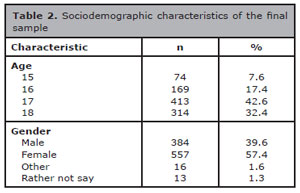
Table 2. Sociodemographic characteristics of the final sample
Differences in fertility knowledge according to sociodemographic characteristics
One-way ANOVA showed that total fertility knowledge differed by gender and age group. The results are presented in Table 3. Pearson chi-square tests also identified significant gender differences in specific dimensions. Girls scored higher than boys in female fertility decline (χ2(1, N=941)=10.60, p=.001), effects of lifestyle (χ2(1, N=941)=22.42, p<.001), and help-seeking in cases of infertility (χ2(1, N=941)=12.44, p<.001), as well as in the total number of correct answers (Welch’s F(1, 756.30)=10.98, p<.001, η2=.01). No significant gender differences were found for chances of spontaneous pregnancy (χ2(1, N=941)=1.91, p=.167), male fertility decline (χ2(1, N=941)=0.31, p=.576), effects of alcohol and drugs (χ2(1, N=941)=2.93, p=.087), effects of STIs (χ2(1, N=941)=0.00, p=.969), or infertility diagnosis (χ2(1, N=941)=0.25, p=.617).
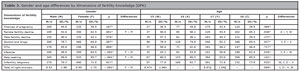
Table 3. Gender and age differences by dimensions of fertility knowledge (DFK)
Significant values are depicted in bold.
*Chi-square test
†One-way ANOVA
‡Value relative to the sum of 15- and 16-year-old participants
§Value relative to the sum of 17- and 18-year-old participants
Age differences were also observed, although not consistently across all dimensions. Older adolescents demonstrated greater knowledge of female fertility decline (χ2(3, N=970)=8.44, p=.038), the effects of alcohol and drugs (χ2(3, N=970)=9.20, p=.027), the effects of lifestyle (χ2(3, N=970)=10.37, p=.016), and infertility diagnosis (χ2(3, N=970)=8.78, p=.032). No significant age differences were found for chances of spontaneous pregnancy (χ2(3, N=970)=2.57, p=.464), male fertility decline (χ2(3, N=970)=5.52, p=.137), effects of STIs (χ2(3, N=970)=1.35, p=.717), or help-seeking in cases of infertility (χ2(3, N=970)=5.47, p=.141). Older participants also had significantly higher total scores than younger participants (F(1, 968)=8.27, p=.004, η2=.02).Overall, these findings suggest that fertility knowledge increases with age in only some areas and is higher among girls for topics more closely related to reproductive health.
Predictors of fertility knowledge
All stepwise binary logistic regression models were statistically significant. Odds ratios (ORs), 95% confidence intervals (CIs), and p-values for each fertility knowledge dimension are presented in Table 4. The model explained the least variance for infertility diagnosis (5%; Nagelkerke R2=.05; χ2(11, N=970)=34.14, p<.001) and the most variance for male fertility decline (18%; Nagelkerke R2=.18; χ2(11, N=970)=135.66, p<.001).
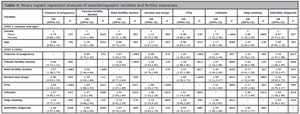
Table 4. Binary logistic regression analyses of sociodemographic variables and fertility awareness
Significant p values are depicted in bold.
*Reference group
CI, confidence interval; OR, odds ratio
The regression analyses suggested that fertility knowledge was not distributed independently across domains but tended to cluster.In Step 1, gender and age were entered simultaneously into the models. Girls were more likely than boys to demonstrate knowledge in the same dimensions identified in the preceding analyses. Age was a significant predictor in fewer fertility knowledge dimensions than in the preceding analyses, although older age remained associated with greater knowledge.In Step 2, the eight fertility knowledge dimensions were entered into the models. Several significant associations were observed among the dimensions, indicating that knowledge in one area strongly predicted knowledge in others.Notably, knowledge of the chances of spontaneous pregnancy predicted knowledge of female fertility decline (OR=2.07, 95% CI [1.55, 2.75], p<.001) and the effects of STIs (OR=1.83, 95% CI [1.39, 2.42], p<.001). Knowledge of female fertility decline also predicted knowledge of male fertility decline (OR=3.30, 95% CI [2.44, 4.44], p<.001). Moreover, knowledge of the effects of alcohol and drugs predicted knowledge of the effects of STIs (OR=1.89, 95% CI [1.30, 2.74], p<.001) and help-seeking in cases of infertility (OR=2.32, 95% CI [1.32, 4.09], p=.004). Finally, knowledge of the effects of lifestyle predicted knowledge of help-seeking in cases of infertility (OR=2.06, 95% CI [1.18, 3.62], p=.012).Overall, these findings point to a structured pattern of knowledge rather than isolated factual knowledge. However, because these analyses were exploratory and involved multiple comparisons, the results should be interpreted as suggestive rather than confirmatory.
DISCUSSION
This study aimed to assess adolescents’ fertility knowledge across multiple domains and to examine its associations with demographic variables and other knowledge domains. Overall, adolescents demonstrated moderate fertility knowledge, with persistent gaps particularly in relation to the timing of fertility decline and infertility risk factors. These results highlight the continuing limitations of current educational approaches in addressing adolescents’ learning needs regarding reproductive health and fertility awareness.
The finding that participants had limited overall fertility knowledge underscores a fundamental weakness in existing fertility education. This gap suggests that adolescents do not receive sufficient developmentally appropriate information about the biological, behavioural, and risk-related aspects of reproductive health. The findings support conceptual models of health literacy acquisition in which cognitive maturity and exposure to health education progressively enhance understanding. The higher knowledge levels among older adolescents may reflect this developmental progression, emphasising mid-to-late adolescence as a critical period for targeted educational intervention (Pedro et al., 2018).
These findings are consistent with recent evidence showing that adolescents continue to struggle with fertility-related concepts, reflecting global concerns about limited reproductive literacy (Cheshire et al., 2024). Although no gender or age differences were found in most fertility knowledge dimensions, overall knowledge was significantly higher among girls and older participants than among boys and younger participants. The observed gender-specific knowledge patterns may reflect complex sociocultural factors that influence adolescents’ engagement with fertility information. This interpretation is consistent with studies showing that men are less likely than women to discuss fertility with healthcare professionals and have lower awareness of fertility windows. Differential exposure to healthcare information may therefore contribute to these knowledge gaps (Bettinger et al., 2025).
Beyond the main effects, several secondary findings support the interpretation of fertility literacy as a multidimensional construct. The robust associations among fertility knowledge dimensions suggest that understanding in one area reinforces understanding in others. Knowledge of female and male fertility decline showed the strongest association, suggesting that teaching fertility decline as a phenomenon affecting both sexes could consolidate biological knowledge across genders. Knowledge of the chances of spontaneous pregnancy also predicted knowledge of female fertility decline and the effects of STIs, indicating that information about the probability of conception and fertility risks may reinforce one another. Strong associations were also observed between help-seeking in cases of infertility and knowledge of the effects of alcohol, drugs, and lifestyle. In addition, knowledge of the effects of alcohol and drugs was associated with knowledge of the effects of STIs. Together, these findings suggest a practical knowledge cluster in which guidance on when to seek medical care can be integrated with information about modifiable risk behaviours.
Theoretically, these results contribute to the conceptualisation of fertility literacy as a multidimensional and interrelated domain of health education, extending earlier frameworks that treated reproductive knowledge as fragmented (Pedro et al., 2018). By identifying domains that were more strongly associated with others, the study refines theoretical models of reproductive learning and suggests that fertility knowledge may develop through reciprocal reinforcement rather than isolated acquisition. Recent interventions have also shown that patterns of knowledge retention may differ by gender over time, with complex interactions among motivation, exposure, and sociocultural expectations reflecting broader patterns of engagement with reproductive health rather than simple information deficits (Tayebi et al., 2025).
From a practical perspective, the findings underscore the need for comprehensive, gender-sensitive, and developmentally appropriate fertility education. Reproductive health education should target specific fertility knowledge gaps while accounting for gender-related learning patterns and preferences (Pedro et al., 2018). The interactivity and high level of engagement offered by the serious game "MyFActs!" support the integration of digital tools into formal curricula, as these platforms can reduce barriers to discussing sensitive topics and tailor learning to students’ needs (Borji-Navan et al., 2024; Rubio & Besoain, 2025). Given the interconnectedness of the fertility knowledge dimensions, education should adopt comprehensive approaches that emphasise interactions among biological, behavioural, and risk factors (Lim et al., 2024; Pedro et al., 2018; Ren et al., 2023). Because multiple comparisons were performed across dimensions and subgroup analyses, the findings should be interpreted as exploratory and require replication in independent samples.
This study has several strengths that enhance the credibility and applicability of its findings. The innovative use of the serious game "MyFActs!" provides a youth-centred and engaging means of assessing sensitive topics while also offering a scalable educational tool for schools. Assessment across eight fertility knowledge dimensions allowed the precise identification of knowledge gaps and relationships among domains. The focus on mid-to-late adolescence further strengthens the study’s relevance by targeting an important developmental period for fertility literacy and curriculum alignment. However, several limitations should be considered. First, participants were not randomly selected, and participation occurred in a classroom setting; therefore, self-selection bias is possible because those who chose to play may have had a greater pre-existing interest in reproductive health. Conversely, some students may have participated primarily to comply with the classroom activity rather than because of intrinsic motivation, which could have affected their attention and response accuracy. Although engaging, the gaming format may also have influenced how carefully participants processed the questions. Furthermore, the multiple-choice format may have oversimplified complex fertility concepts, particularly those requiring partial understanding or context-dependent reasoning.
Second, the cross-sectional design precludes causal inferences about the relationships between demographic factors and fertility knowledge. A longitudinal design would allow assessment of changes in knowledge over time, particularly if previous exposure to fertility or sexuality education were measured and controlled for. Digital access was required to complete the questionnaire, which may have affected the diversity of the sample. Finally, the large number of statistical tests increased the risk of type I error; therefore, the results should be interpreted as exploratory. Replication in independent samples is required before firm conclusions can be drawn about specific associations.
Future research should use longitudinal designs to examine whether early interventions such as "MyFActs!" lead to sustained gains in knowledge, healthier outcomes, more timely or planned childbearing, and better-informed choices in adulthood. Comparative effectiveness studies are also needed to evaluate different educational approaches and identify which formats are most effective for specific demographic groups and knowledge domains. Research linking fertility knowledge to reproductive attitudes, intentions, and behaviours would also clarify how factual understanding influences decision-making and behavioural change.
In conclusion, this study highlights fertility literacy as an important component of adolescent reproductive health education. By identifying specific knowledge gaps, demographic patterns, and relationships among knowledge dimensions, the findings provide guidance for refining curricula and targeting interventions more effectively, while also informing future research and policy in this area.
Funding:This work was supported by national funding from the FCT – Portuguese Foundation for Science and Technology (UIDB/00050/2020 and UID/50/2025).
Acknowledgements:
The authors would like to thank Fertility Europe and the MyFActs! project, particularly Anita Fincham, Irina Popova, and Satu Rautakallio-Hokkanen.
REFERENCES
Alhussaini NWZ, Elshaikh U, Abdulrashid K, Elashie S, Hamad NA, Al-Jayyousi GF. Sexual and reproductive health literacy of higher education students: a scoping review of determinants, screening tools, and effective interventions. Glob Health Action. 2025;18:2480417. PMID: 40116037 DOI: 10.1080/16549716.2025.2480417
Medline
Allsop Y, Anderman EM. Developing Sexual Self-Efficacy Beliefs During Adolescence: Do Health Teachers Really Matter? J Youth Adolesc. 2022;51:2061-76. PMID: 35794443 DOI: 10.1007/s10964-022-01646-w
Medline
Bettinger H, Carbonnel M, Vallée A, Racowsky C, Stoekle HC, Ayoubi JM. A "Fertility Awareness" Survey on Social Media: Men Can Do Better. Am J Mens Health. 2025;19:15579883251325513. PMID: 40459341 DOI: 10.1177/15579883251325513
Medline
Borji-Navan S, Maleki N, Keramat A. Efficacy of Digital Health Interventions Used for Adolescent’s Sexual Health: An Umbrella Review. Health Sci Rep. 2024;7:e70212. PMID: 39633835 DOI: 10.1002/hsr2.70212
Medline
Ceballo R, Abbey A, Schooler D. Perceptions of women’s infertility: what do physicians see? Fertil Steril. 2010;93:1066-73. PMID: 19171334 DOI: 10.1016/j.fertnstert.2008.11.019
Medline
Cheshire J, Chu J, Boivin J, Dugdale G, Harper J, Balen A. The Fertility Education Initiative: responding to the need for enhanced fertility and reproductive health awareness amongst young people in the United Kingdom. Hum Fertil (Camb). 2024;27:2417940. PMID: 39463264 DOI: 10.1080/14647273.2024.2417940
Medline
Conceição C, Pedro J, Martins MV. Effectiveness of a video intervention on fertility knowledge among university students: a randomised pre-test/post-test study. Eur J Contracept Reprod Health Care. 2017;22:107-13. PMID: 28256912 DOI: 10.1080/13625187.2017.1288903
Medline
Daniluk JC, Koert E. Fertility awareness online: the efficacy of a fertility education website in increasing knowledge and changing fertility beliefs. Hum Reprod. 2015;30:353-63. PMID: 25480922 DOI: 10.1093/humrep/deu328
Medline
Deatsman S, Vasilopoulos T, Rhoton-Vlasak A. Age and fertility: A study on patient awareness. JBRA Assist Reprod. 2016;20:99-106. PMID: 27584600 DOI: 10.5935/1518-0557.20160024
Medline
DeSmet A, Shegog R, Van Ryckeghem D, Crombez G, De Bourdeaudhuij I. A Systematic Review and Meta-analysis of Interventions for Sexual Health Promotion Involving Serious Digital Games. Games Health J. 2015;4:78-90. PMID: 26181801 DOI: 10.1089/g4h.2014.0110
Medline
Dickson E, Parshall M, Brindis CD. Isolated voices: perspectives of teachers, school nurses, and administrators regarding implementation of sexual health education policy. J Sch Health. 2020;90:88-98. PMID: 31813167 DOI: 10.1111/josh.12853
Medline
Ekelin M, Åkesson C, Ångerud M, Kvist LJ. Swedish high school students’ knowledge and attitudes regarding fertility and family building. Reprod Health. 2012;9:6. PMID: 22436468 DOI: 10.1186/1742-4755-9-6
Medline
Field A. Discovering statistics using SPSS. 3rd ed. London: Sage Publications; 2009.
Jurkowski L, Manubens R, Ryberg JO, Rossi M. Fertility awareness, attitudes towards parenting, and knowledge about Assisted Reproductive Technology among university students in Argentina. JBRA Assist Reprod. 2021;25:453-8. PMID: 34061481 DOI: 10.5935/1518-0557.20210019
Medline
Lampic C, Svanberg AS, Karlström P, Tydén T. Fertility awareness, intentions concerning childbearing, and attitudes towards parenthood among female and male academics. Hum Reprod. 2006;21:558-64. PMID: 16293651 DOI: 10.1093/humrep/dei367
Medline
Lim L, Hoppe M, Kennedy L, Gunderson A, Wang L, Etezadi-Amoli N. Young Adults’ Understanding of Modifiable Risk Factors of Infertility. Womens Health Rep (New Rochelle). 2024;5:815-24. PMID: 39450156 DOI: 10.1089/whr.2024.0058
Medline
Mac Dougall K, Beyene Y, Nachtigall RD. Age shock: misperceptions of the impact of age on fertility before and after IVF in women who conceived after age 40. Hum Reprod. 2013;28:350-6. PMID: 23203214 DOI: 10.1093/humrep/des409
Medline
Machado Mdo C, Alves MI, Couceiro L, Silva FG, Morais de Almeida M, Alves I. Natalidade e Fertilidade: Análise dos Conhecimentos e Expectativas de 3585 Estudantes Universitários Portugueses [Birth rate and fertility: knowledge and expectations analysis of 3585 university students]. Acta Med Port. 2014;27:601-8. PMID: 25409216 DOI: 10.20344/amp.5196. Portuguese.
Medline
Martins MV, Pereira L, Veleva Z, Popova I, Rautakallio-Hokkanen S, Galhardo A. Playing a serious game to increase fertility awareness: perceptions of adolescents, parents and teachers. Hum Fertil (Camb). 2025;28:2451334. PMID: 39850992 DOI: 10.1080/14647273.2025.2451334
Medline
Nair MKC, Leena ML, Paul MK, Pillai HV, Babu G, Russell PS, Thankachi Y. Attitude of parents and teachers towards adolescent reproductive and sexual health education. Indian J Pediatr. 2012;79:S60-3. PMID: 21614606 DOI: 10.1007/s12098-011-0436-7
Medline
Nargund G. Why Fertility Education is needed in schools. Facts Views Vis Obgyn. 2015;7:189-91. PMID: 26977269
Medline
Pedro J, Brandão T, Schmidt L, Costa ME, Martins MV. What do people know about fertility? A systematic review on fertility awareness and its associated factors. Ups J Med Sci. 2018;123:71-81. PMID: 29957086 DOI: 10.1080/03009734.2018.1480186
Medline
Peterson BD, Pirritano M, Tucker L, Lampic C. Fertility awareness and parenting attitudes among American male and female undergraduate university students. Hum Reprod. 2012;27:1375-82. PMID: 22407698 DOI: 10.1093/humrep/des011
Medline
Quach S, Librach C. Infertility knowledge and attitudes in urban high school students. Fertil Steril. 2008;90:2099-106. PMID: 18321500 DOI: 10.1016/j.fertnstert.2007.10.024
Medline
Ragnar ME, Grandahl M, Stern J, Mattebo M. Important but far away: adolescents’ beliefs, awareness and experiences of fertility and preconception health. Eur J Contracept Reprod Health Care. 2018;23:265-73. PMID: 30010448 DOI: 10.1080/13625187.2018.1481942
Medline
Ren Y, Xie Y, Xu Q, Long M, Zheng Y, Li L, Niu C. University students’ fertility awareness and its influencing factors: a systematic review. Reprod Health. 2023;20:85. PMID: 37280685 DOI: 10.1186/s12978-023-01628-6
Medline
Rubio C, Besoain F. Pervasive Games for Sexual Health Promotion: Scoping Literature Review. JMIR Serious Games. 2025;13:e58912. PMID: 39813670 DOI: 10.2196/58912
Medline
Sekhar MA, Edward S, Grace A, Pricilla SE, G S. Understanding Comprehensive Sexuality Education: A Worldwide Narrative Review. Cureus. 2024;16:e74788. PMID: 39737310 DOI: 10.7759/cureus.74788
Medline
Shegog R, Brown K, Bull S, Christensen JL, Hieftje K, Jozkowski KN, Ybarra ML. Serious Games for Sexual Health. Games Health J. 2015;4:69-77. PMID: 26181800 DOI: 10.1089/g4h.2014.0139
Medline
Tayebi Z, Behmaneshpour F, Tourzani ZM, Khoshakhlagh F, Falahatdari M, Khorasani MM, Zaferanlou H, Goudarzi M, Rezanejad-Asl P, Harikandeie SST. The effects of microlearning on the fertility knowledge and attitude of Iranian nursing students: an interventional study. BMC Nurs. 2025;24:1112. PMID: 40855294 DOI: 10.1186/s12912-025-03763-w
Medline
Vongxay V, Albers F, Thongmixay S, Thongsombath M, Broerse JEW, Sychareun V, Essink DR. Sexual and reproductive health literacy of school adolescents in Lao PDR. PLoS One. 2019;14:e0209675. PMID: 30650100 DOI: 10.1371/journal.pone.0209675
Medline
Williamson LEA, Lawson KL, Downe PJ, Pierson RA. Informed reproductive decision-making: the impact of providing fertility information on fertility knowledge and intentions to delay childbearing. J Obstet Gynaecol Can. 2014;36:400-5. PMID: 24927291 DOI: 10.1016/S1701-2163(15)30585-5
Medline
Wimberly YH, Khan JA, Kollar LM, Slap GB. Adolescent beliefs about infertility. Contraception. 2003;68:385-91. PMID: 14636944 DOI: 10.1016/j.contraception.2003.07.006
Medline
Wojcieszek AM, Thompson R. Conceiving of change: a brief intervention increases young adults’ knowledge of fertility and the effectiveness of in vitro fertilization. Fertil Steril. 2013;100:523-9. PMID: 23628107 DOI: 10.1016/j.fertnstert.2013.03.050
Medline
Zegers-Hochschild F, Adamson GD, Dyer S, Racowsky C, de Mouzon J, Sokol R, Rienzi L, Sunde A, Schmidt L, Cooke ID, Simpson JL, van der Poel S. The International Glossary on Infertility and Fertility Care, 2017. Hum Reprod. 2017;32:1786-801. PMID: 29117321 DOI: 10.1093/humrep/dex234
Medline